About
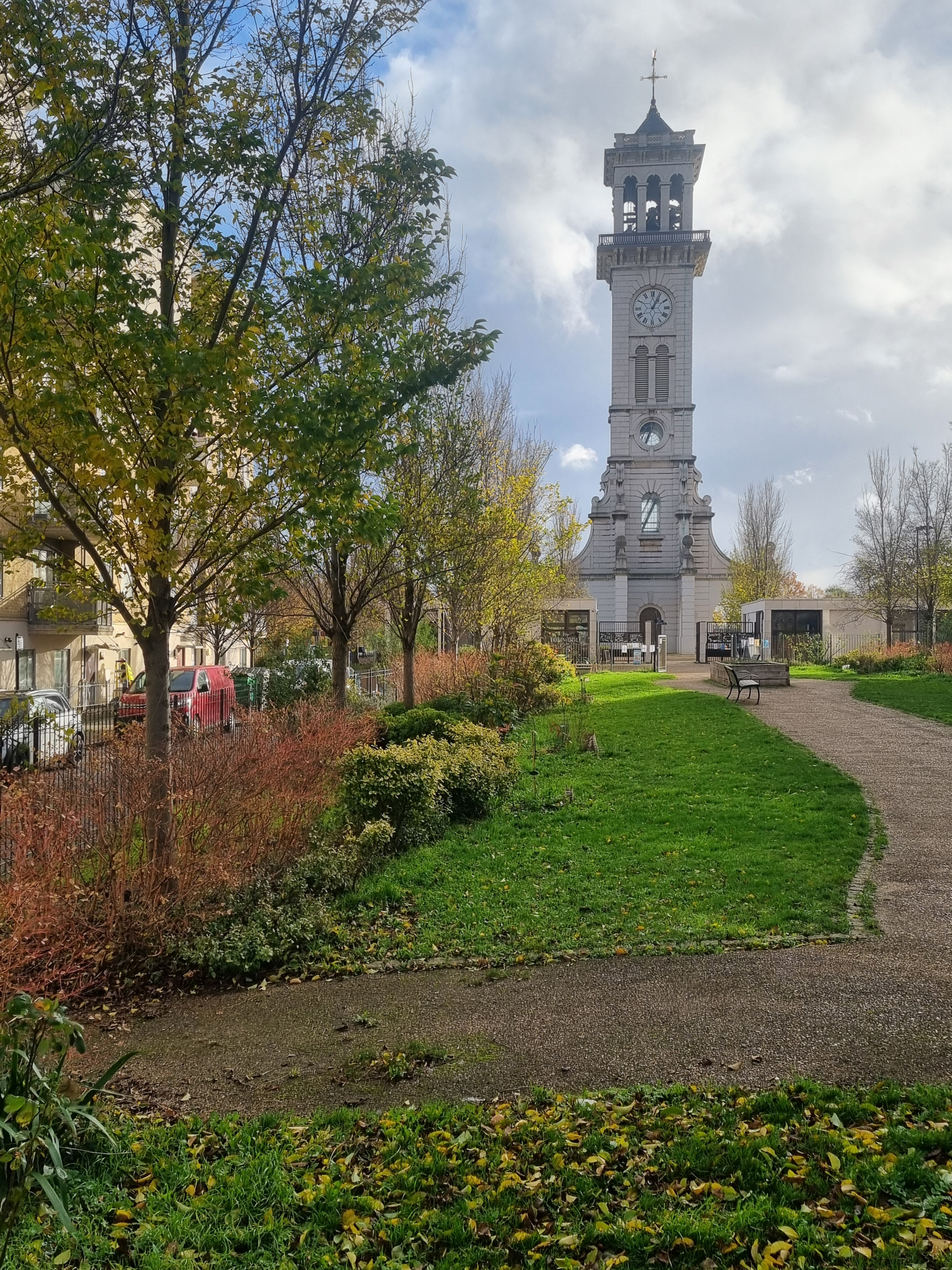
Where it is: Acting as the gateway to the park The Avenue runs from North Road to the parks main North entrance.
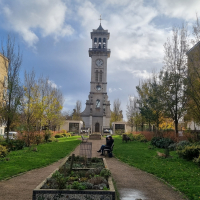
What Plant/Tree life to look out for: The avenue is home to our herb beds with a large variety of seasonal culinary and medicinal herbs. You will find a selection of well-known favourites like lavender, Oregano, Sage, Mint and Thyme to more unusual classics like Lemon Verbena, Hyssop and Myrtle.
Feel free to help yourself when the signs indicate it is ok to do so. We only ask that you think of, respect others, and consider the well-being of the plants.
One of the parks youngest orchards can also be found in The Avenue. The Food Forest as it is called whilst an immature orchard started only in 2025, its ambition cannot be questioned. Planted to create an orchard with as many complimentary but varied food producing trees and plants expect to find: Cheery, Apricot, Olive, Crab Apple, Peach, Medla, Highbush Blueberry, Mulberry, Quince Royal Champion, Ficus, Almond and Boysen Berry.


The avenue railings have been planted with flowering climbers like Jasmine, Passionflower and Wisteria. These alongside the herb beds and the orchard will create a great deal of biodiversity and an insect wonderland.
What Insect/Bird/Animal life to look out for: The Avenue attracts a wide variety of wild visitors, but our most popular guests are insects. Pollinators like bees and butterflies are highly attracted to blooming herbs.
Ladybirds (and larvae) are attracted to cilantro, dill, fennel, oregano, and thyme to eat aphids. Lacewings are attracted to angelica, caraway, tansy, yarrow, and fennel.
Hoverflies are drawn to chamomile, cilantro, and oregano.
Bees including the more common honey, carder and tree bumblebee and the lesser spotted mining, mason, leafcutter and long-horned bees can be found here. The herb Borage frequently grown here is often called a bee “magnet” and is highly productive for nectar.
Butterflies abound in this area. Lavender: A summer favourite for Small Whites, Large Whites, Peacocks, and Red Admirals. Thyme: Attracts smaller species like the Common Blue and various Skippers. Chives: Their purple globe flowers are highly attractive to Small Tortoiseshells and Peacocks. Mint: When left to flower, is a magnet for Peacocks, Buddleia-loving species, and the Mint Moth. Sage & Rosemary: Provide vital early-season nectar for emerging butterflies like the Brimstone.

Things To Do
If a stroll down the avenue with the panoramic view of The Clocktower is not enough why not have some fun by:
Butterfly Conservation – Help record and monitor UK Butterfly population.
Bumblebee Conservation Trust – Help record and monitor UK Bumblebee population.
Projects
There are a variety of projects occurring in The Avenue:
Our “Projects:” in this area are presently being Catalogued. Please visit here and view again, they will be available shortly.


Gallery