About
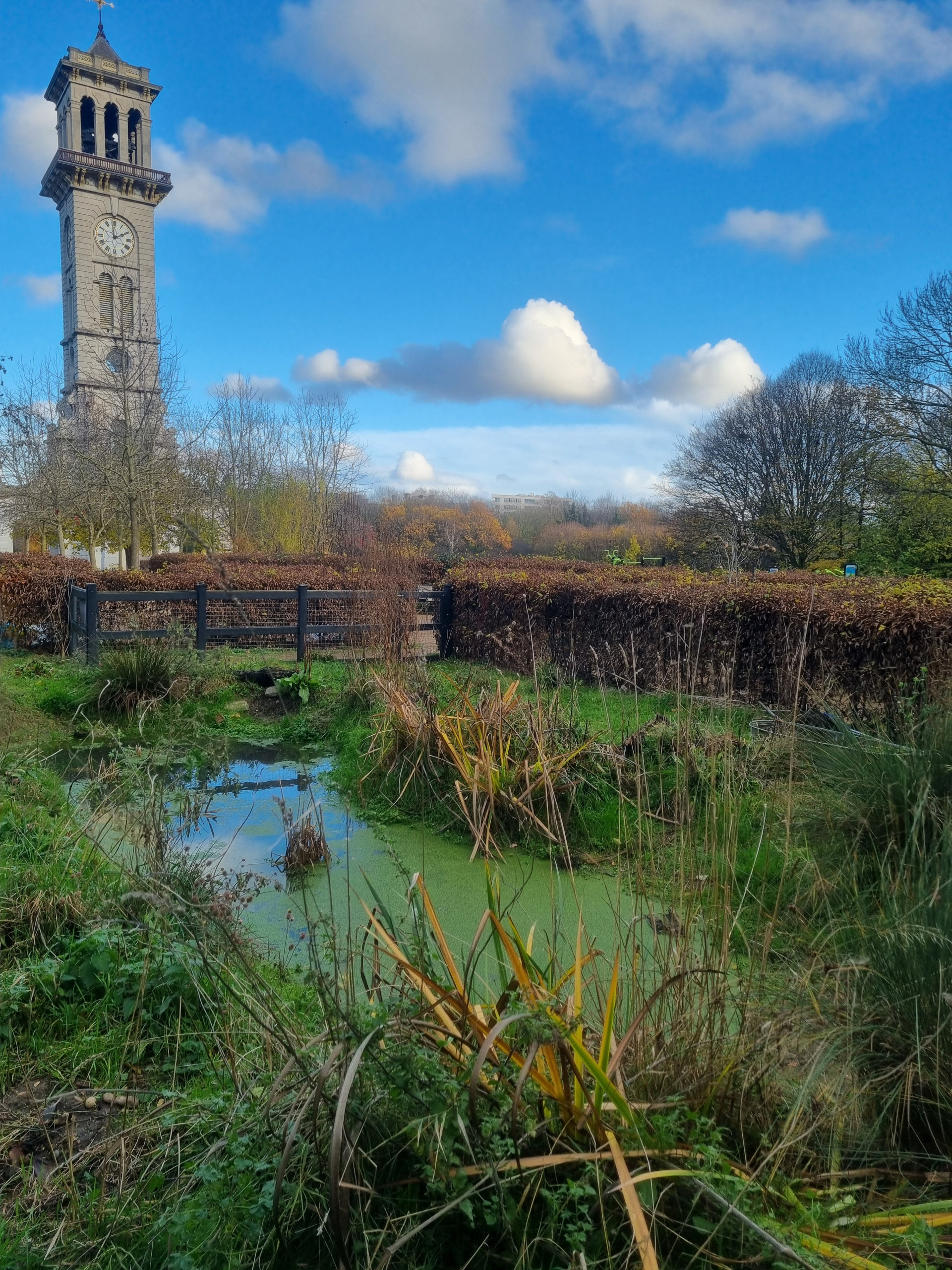
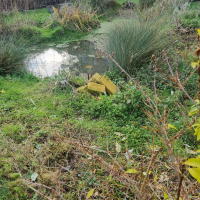
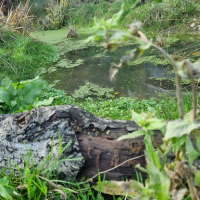
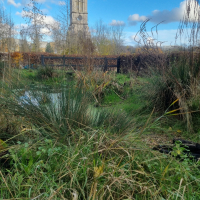
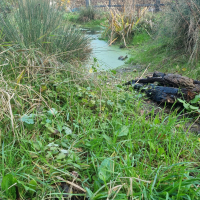
Where it is: The Pond is to be found in the Northwest corner of the park.
What Plant/Tree life to look out for: The vegetation in and around the pond reflects the diversity of a pond ecosystem.

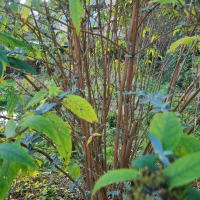
Marginal Pond plants grow in the shallow areas or edges of a pond (less than 5cm/2in water depth or in mud), providing structure and habitat. Marsh Marigold is a vigorous perennial with glossy, rounded green leaves and large, bright golden-yellow flowers in early spring. It is a native UK wildflower that provides early nectar for pollinators. Yellow Flag Iris: This UK-native iris features zesty yellow flowers that bloom from May to July. It is a vigorous grower, so it can become invasive in a small pool. Hard Rush: A hardy British native with tall, slender blue-green stems that create an architectural, natural screen. It helps filter water impurities and provides shelter for fish and other aquatic wildlife
Oxygenating Plants are submerged or free-floating plants and are crucial for a healthy pond ecosystem as they add oxygen to the water and compete with algae for nutrients. Hornwort: A popular, free-floating UK native that requires no planting and is very tolerant of a wide range of conditions. It helps with algae control and provides an excellent breeding area and habitat for aquatic life. Water Violet: A UK native with feathery foliage and delicate lilac flowers. It provides a hiding place for larvae and a surface for adult dragonflies to sunbathe on.
Deep Water & Floating Plants provide shade, which helps control algae, and offer protection for fish. White Water Lily: Britain’s only native water lily, it produces gorgeous white blooms and thrives in deep water in a sunny position. Water Hawthorn: Produces fragrant, floating white flowers that are vanilla-scented and can bloom from March to May.
What Insect/Bird/Animal life to look out for: UK ponds are home to as diverse an array of insects as their vegetation types. Insects that live on the pond edges, on the surface, swim through the water, or dwell in the muddy depths as larvae.
Pond Skaters: Frequently seen “skating” across the surface on long, water-repellent legs. Whirligig Beetles: Small, oval beetles that spin rapidly in circles; they have split eyes to see above and below the water simultaneously. Water Measurers: Thinner and slower than pond skaters, these insects creep along surface vegetation.

Pond spiders primarily include the semi-aquatic Raft Spider, which hunts on water surfaces, and the Water Spider which lives submerged in a “diving bell” of air.
Pond snails are a diverse group of native aquatic invertebrates, essential for pond ecosystems as they clean up decaying matter, algae, and waste, with common species including Great Pond Snail: The UK’s largest snail it is an excellent scavenger, hardy, and good for wildlife ponds. Ramshorn Snails: Known for their flat, coiled shells, they graze algae and are common. Trapdoor Snail: A native species that effectively eats algae off surfaces, good for established ponds. Bladder snails: Small, common, and often appear with new plants.
Then there are the many familiar flying insects that spend their youth as aquatic larvae. Dragonfly & Damselfly Nymphs: Formidable predators with extendable jaws. Caddisfly Larvae: Famous for building protective “cases” out of sand, stones, or sticks. Mayfly Nymphs: Often used as bioindicators because they are sensitive to water pollution.
All living things need water in one form or another so asides from these more resident insects expect to see a wide variety of butterflies, bees and birds visiting to quench their thirst and feed.
Things To Do
There are lots to see and things to do around The Pond:
Butterfly Conservation – Help record and monitor UK Butterfly population.
Bumblebee Conservation Trust – Help record and monitor UK Bumblebee population.
Projects
There are a variety of projects occurring in and around The Pond:
Our “Projects:” in this area are presently being Catalogued. Please visit here and view again, they will be available shortly.
Gallery